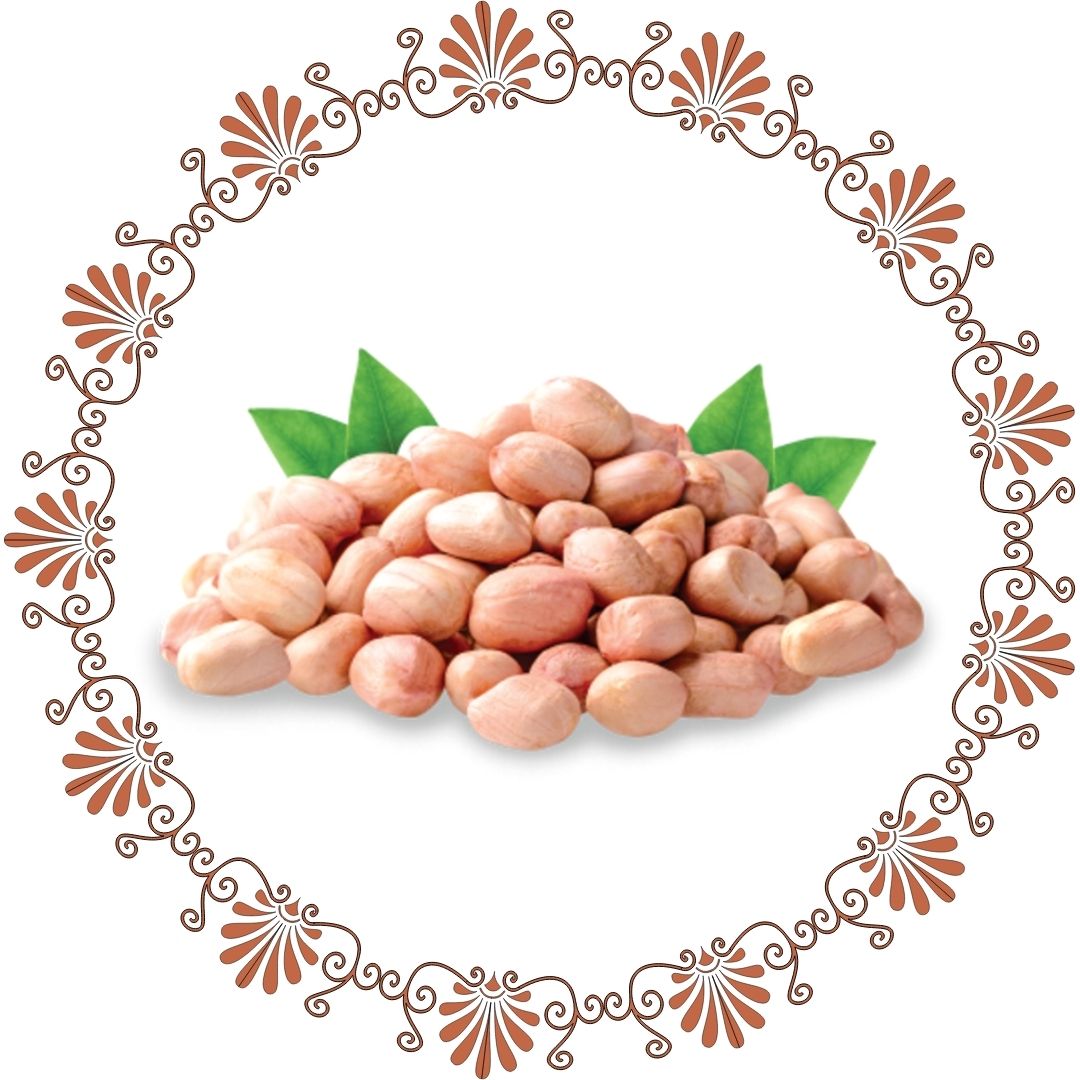
Peanuts
Peanuts (Arachis hypogaea) or “groundnuts” as they are commonly referred to, belong to the bean and legume family. Unlike tree nuts that grow above the ground, peanuts grow below the ground which makes them more closely related to legumes, such as peas and lentils.
Although peanuts are technically considered a legume, their nutritional composition is more similar to a tree nut, such as almond, cashew, or walnut. Due to the nutritional composition of peanuts, The Australian Dietary Guidelines group them with other tree nuts and seeds, rather than legumes. Australians are encouraged to eat a variety of nuts and seeds as part of a healthy diet and recommend a daily serving of 30g to maintain good health.
Benefits of Peanuts
- Contain 25% protein which is substantially higher than other food sources such as eggs, dairy products, and many types of meat and fish
- Have a high fibre content and a low glycaemic index rating for blood glucose control. Peanuts have one of the lowest GI ratings of all foods
- Are free of cholesterol
- Are low in saturated fat and sodium (unsalted peanuts)
- Are a good source of B vitamins, including thiamine, niacin, and pantothenic acid
- Are appropriate for people with coeliac disease or gluten sensitivity