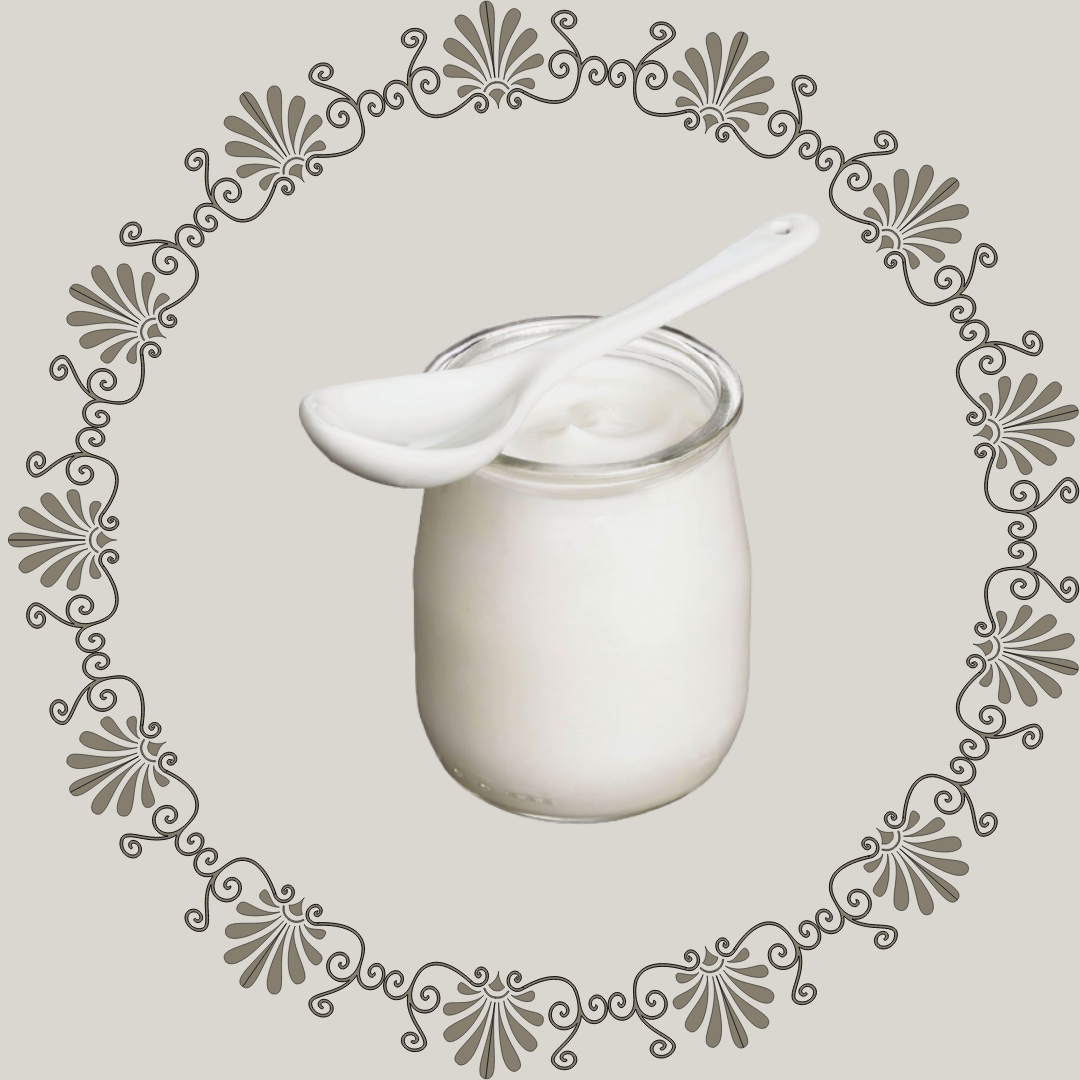
Buttermilk
Buttermilk is a fermented dairy drink. Traditionally, it was the liquid left behind after churning butter out of cultured cream. As most modern butter is not made with cultured cream but sweet cream, i.e. uncultured, most modern buttermilk is cultured. It is common in warm climates where unrefrigerated fresh milk sours quickly.
Buttermilk can be drunk straight, and it can also be used in cooking. In making soda bread, the acid in buttermilk reacts with the raising agent, sodium bicarbonate, to produce carbon dioxide which acts as the leavening agent. Buttermilk is also used in marination, especially of chicken and pork.
Originally, buttermilk referred to the liquid left over from churning butter from cultured or fermented cream. Traditionally, before the advent of homogenization, the milk was left to sit for a period of time to allow the cream and milk to separate. During this time, naturally occurring lactic acid-producing bacteria in the milk fermented it. This facilitates the butter churning process, since fat from cream with a lower pH coalesces more readily than that of fresh cream. The acidic environment also helps prevent potentially harmful microorganisms from growing, increasing shelf life.
Benefits of Buttermilk
- May be easier to digest than other dairy products.
- May support strong bones.
- May improve oral health.
- May help lower your cholesterol levels.
- Linked to lower blood pressure levels.