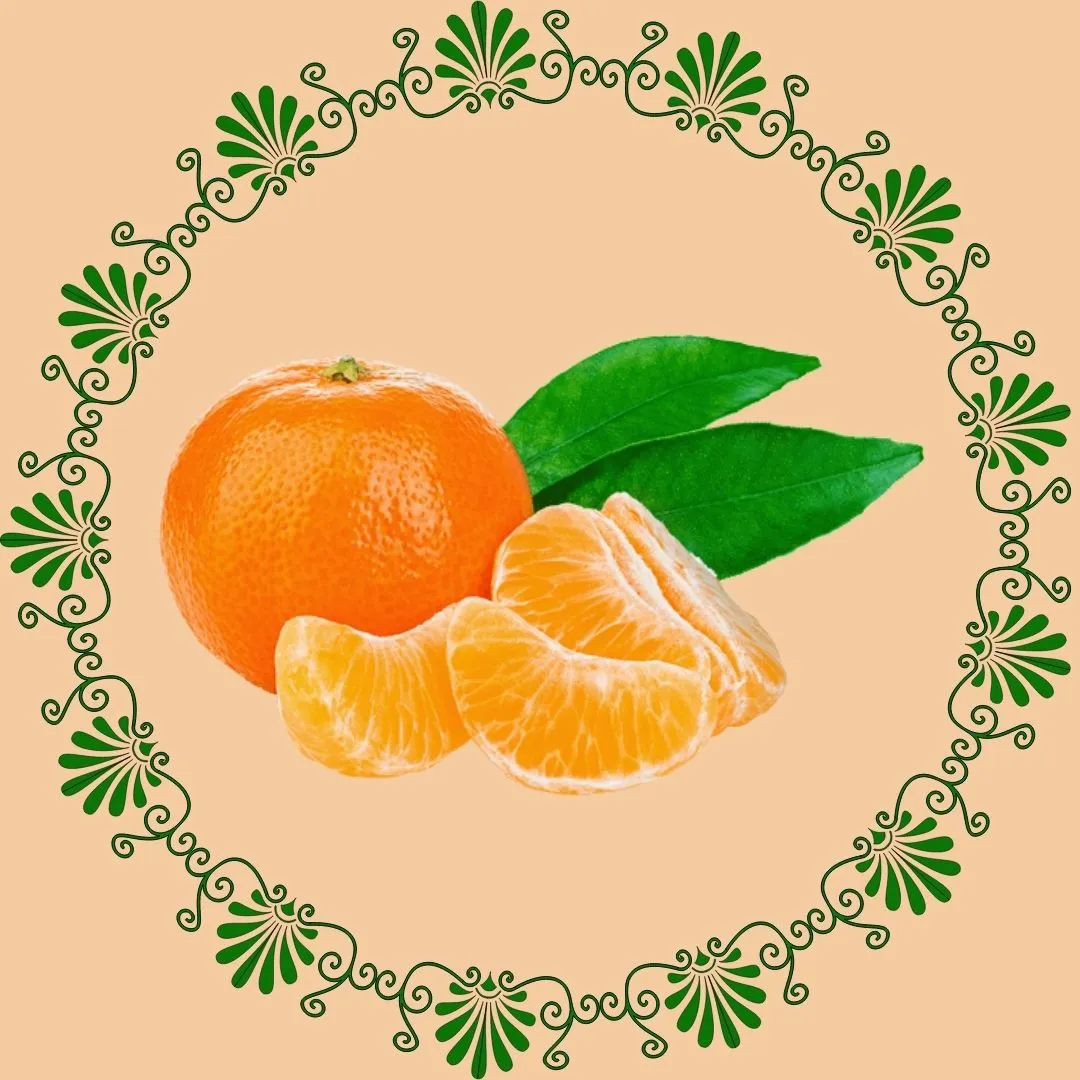
Tangerines
Tangerines are small and erect trees, with fruit at the end of branches, and tend to be erect (Janick 2005). The tangerine fruit is smaller than most oranges and the skin of some varieties tends to be loose and peels off more easily. The taste is often more sour, or tart, than that of an orange. Being loose-skinned, the fruit is hard to pick without damage and is the highest priced fruit (Janick 2005). The number of seeds in each segment (carpel) varies greatly (up to 59). Good quality tangerines will be firm to slightly hard, heavy for their size, and pebbly-skinned with no deep grooves, as well as reddish-orange in color.
Benefits of Tangerines
- Tangerines can help deter negative feelings of stress and anxiety by producing neurotransmitters that help calm the nerves and encourages a continuous good mood.
- Tangerines are packed with antioxidants that can help fight the free radicals responsible for disease formation and premature aging.
- They are an excellent source of vitamins A and C as well as iron, potassium, folate, fiber and flavonoids.
- Supports a healthy digestive system