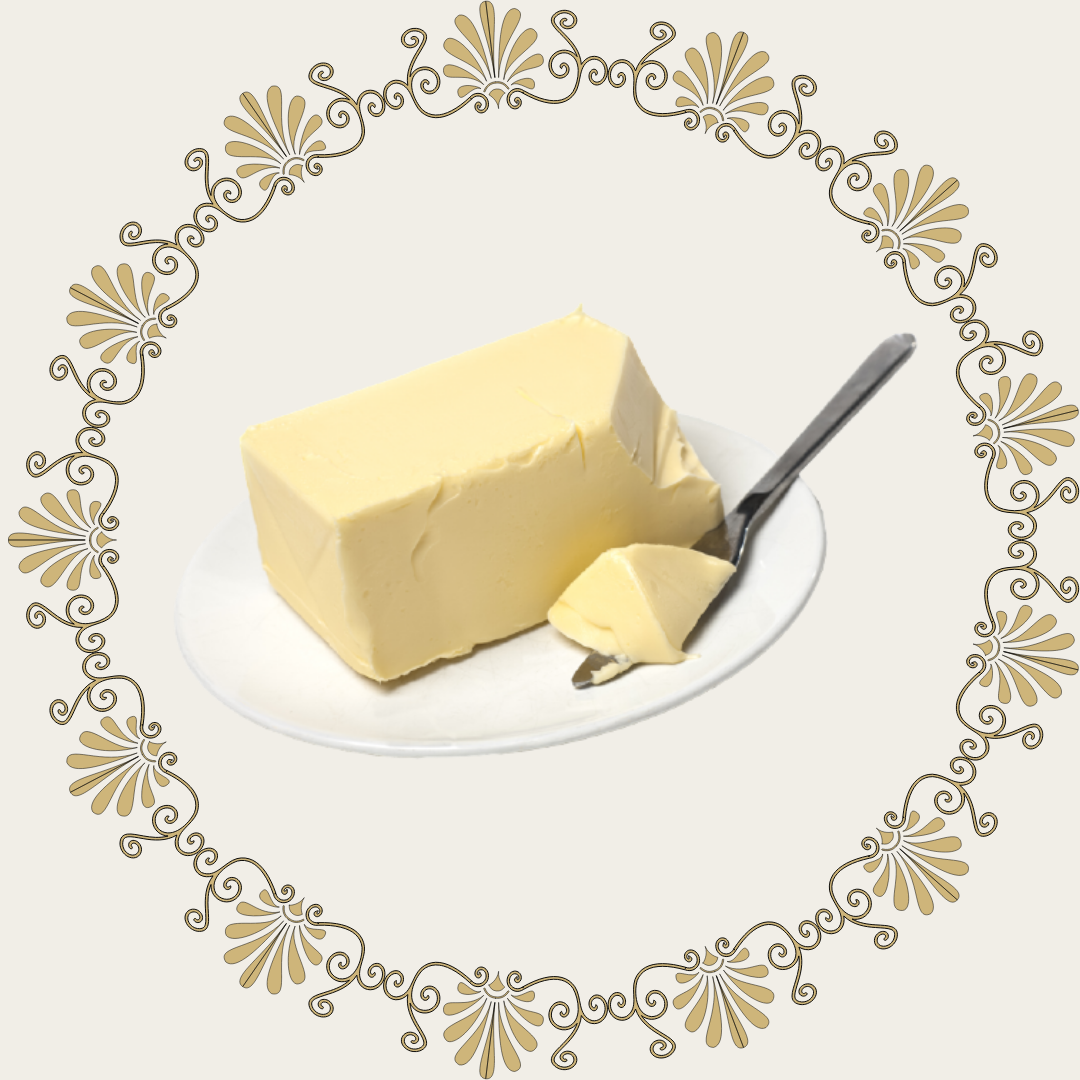
Margarine
Margarine is a spread used for flavoring, baking and cooking. It is most often used as a substitute for butter. Although originally made from animal fats, most margarine consumed today is made from vegetable oil. The foodstuff was originally named oleomargarine from Latin for oleum (olive oil) and Greek margarite (pearl indicating luster). The name was later shortened to margarine.
Margarine may be chosen for a number of reasons including lower cost, ease of availability, evidence (primarily relevant for vegetable-based margarines) that it is healthier than butter, a desire to avoid consuming animal-based products (of particular concern for vegans and also based on the assumption that the margarine is vegetable-based) and/or a simple personal preference to butter and/or other spreads on account of taste.
Butter is made from the butterfat of milk, whereas modern margarine is made mainly of refined vegetable oil and water.
Benefits of Margarine
- It maintains bone health and is a great source of antioxidants.
- Prevents eye diseases thanks to vitamin A.
- Strengthens the immune system and protects us from diseases such as cancer.
- Maintains the good condition of the skin and mucous membranes.
- Helps strengthen skin and bones.
- It is a beneficial food for blood circulation.